

|
Notice: Times and locations subject to change. Check back as the festival approaches for updates on speakers, panel discussions, and more...
The Human Rights Film Festival (HRFF) is a non-partisan student-run organization at the University of Virginia. HRFF organizes an annual, week-long film festival centering on national and international issues of human rights and social justice. Through these films and facilitated discussions, we hope to bring the Charlottesville and U.Va. community together to learn about the human rights issues in our local community and on grounds. The Festival aims to encourage students to engage critically with these issues and provide ways to address them. HRFF’s priority is to work collaboratively with human rights, social justice and action-based groups to publicize their issues and debunk the myth that human rights is only an international issue.
Thanks to our co-sponsors!
African Studies Initiative | Amnesty International | the Batten School
Cultural Programming Board of UVA | Haiti Working Group
the Living Wage Campaign | Middle Eastern Leadership Council
Organization of Young Filipino Americans
Students for Peace and Justice in Palestine | Students Take Action Now: Darfur
There’s Hope in North Korea | Towards a Better Latin America
University Programs Council of UVA | Workers and Students Unite
|
|
|
|
Co-sponsored by Amnesty International and African Studies INitiative
with guest speaker Associate Professor Ira Bashkow
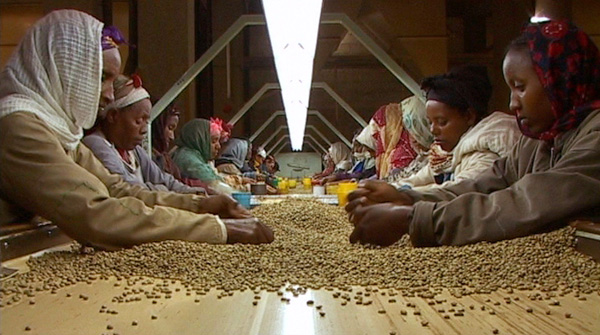
Overloaded with work, you go to Alderman Cafe to buy a chai latte, walk to the Corner to use your Starbucks gift card, or stop by Para to get some studying in while you sip on your cafe au lait. Ever take a second to think about where that coffee was made, how it got to the U.S., and how it ended up in your hands? Don’t worry; most college students don't. Black Gold is an illuminating film that brings us face to face with the reality of the Ethiopian coffee industry. Touching on issues pertaining to the World Trade Organization, U.S. foreign aid, and single crop dependency, the film is powerful not only on a personal level, but on a global scale. After seeing this movie, you'll want to know who sells fair trade coffee in Charlottesville.
>>Watch the Trailer
|
|
|
|
Co-sponsored by Students Take Action Now: Darfur
with guest speaker Professor Michael J. Smith
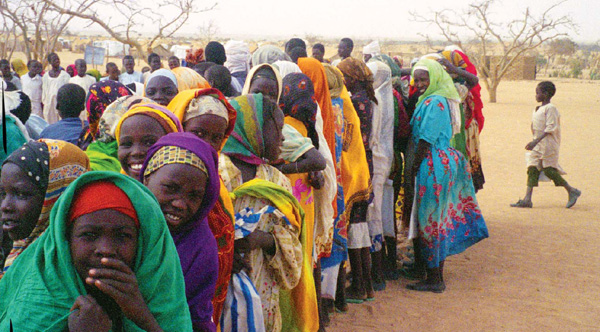
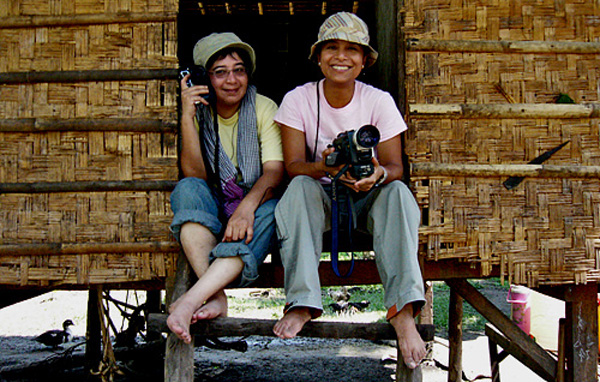
In 2003, after decades of marginalization and violence inflicted by the Sudanese government, the people of Darfur staged a rebellion. The government response was extreme; collaborating with the Janjaweed, it began destroying entire villages, raping women and girls, and sending survivors fleeing to neighboring Chad. Shocked by early accounts of these acts and the lack of subsequent media coverage, filmmaker Adam Shapiro and non-profit workers Aisha Bain and Jen Marlowe traveled to Darfur to interview survivors and document the devastated villages left by government coalitions. Using 45 hours of footage, the filmmakers created Darfur Diaries, which has been instrumental in bringing awareness of Darfur to audiences around the globe.
>>Watch Intro on Amazon.com
|
|
|
|
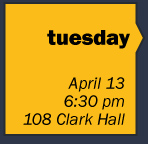
with guest speaker Professor William Quandt
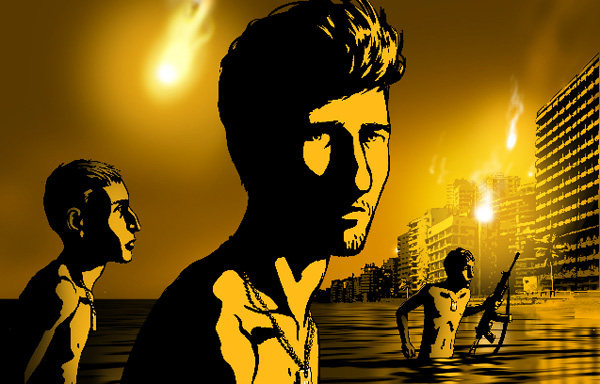
Nominated for Best Foreign Film in the 2009 Academy Awards, Waltz With Bashir has mesmerized audiences with its stunning visual style and gripping narrative of the 1982 Lebanon War. Mirroring the quixotic mission of remembering an event his mind has at times struggled to forget, filmmaker Ari Folman's animation beautifully morphs between between his and his friends' spotty recollections of a war two decades past and the often fantastical imagery they have since associated with it. Waltz With Bashir conjures an ironically realistic awareness of the war and its psychological effects, sure to leave you wanting to learn more about this troubled time in Middle Eastern history.
>>Watch the Trailer
|
|
|
|
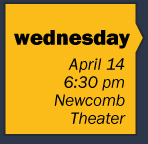
Co-sponsored by the Haiti Working Group and the Batten School
with a panel discussion including film-maker Mark Schuller, Professor George Mentore, & Partners in Health Representative Chris Stock
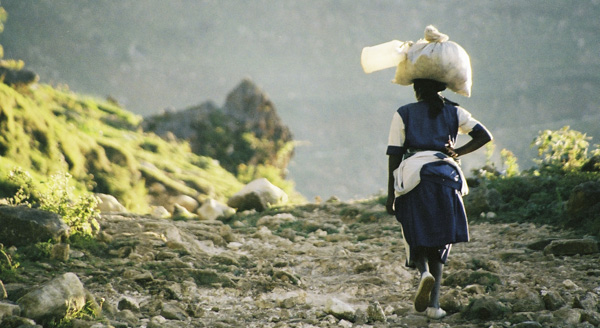
Told through compelling lives of five courageous Haitian women workers, Poto Mitan gives the global economy a human face. Each woman's personal story explains neoliberal globalization, how it is gendered, and how it impacts Haiti: inhumane working/living conditions, violence, poverty, lack of education, and poor health care. While Poto Mitan offers in-depth understanding of Haiti, its focus on women's subjugation, worker exploitation, poverty, and resistance demonstrates these are global struggles. Finally, through their collective activism, these women demonstrate that despite monumental obstacles in a poor country like Haiti, collective action makes change possible.
|
|
|
|
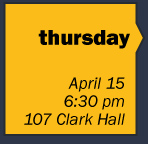
with discussion led by Teacher Charlotte Wellen & students from Murray Alternative School in Charlottesville
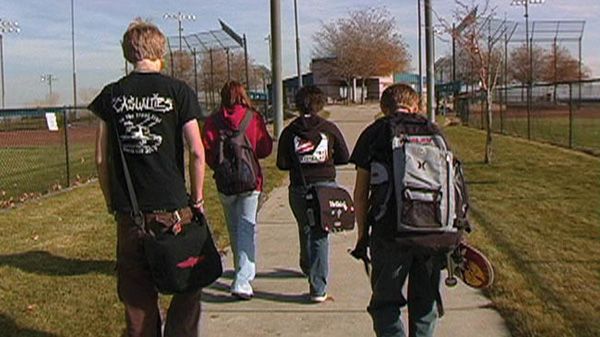
The War on Kids takes a closer look at America's educational system's obsession with security and over-prescription of drugs. Stripped of their civil liberties and afraid for their mental health, children are forced to endure "prison-like" conditions everyday. In examining the causes of this extreme institutional control, the film shows that problems in education, often blamed on parents, teachers, and administrators, are instead deeply embedded in the institution's structure. The creators offer a complete reform of the school system as the only way to stop these violations.
>>Watch the Trailer
|
|
|

|
with guest speaker Curtis Porter
Unnatural Causes is the acclaimed documentary series broadcast by PBS and now used by thousands of organizations around the country to tackle the root causes of our alarming socio-economic and racial inequities in health. The four-hour series crisscrosses the nation uncovering startling new findings that suggest there is much more to our health than bad habits, health care, or unlucky genes. The social circumstances in which we are born, live, and work can actually get under our skin and disrupt our physiology as much as germs and viruses.
>>Watch clips
|
|
|
|
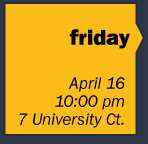
Haiti Fundraiser Dance Party
Join the Human Rights Film Festival as we dance all night to a mix of live performances and DJs. A suggested donation of $5 will be collected at the door, with all proceeds to benefit the recovery efforts in Haiti.
|
|
|
|
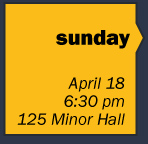
Co-sponsored by Towards a Better Latin America
with a guest speaker from Amazon Watch
The inside story of the infamous "Amazon Chernobyl" case, Crude is a real-life high stakes legal drama, set against a backdrop of the environmental movement, global politics, celebrity activism, human rights advocacy, the media, multinational corporate power, and rapidly-disappearing indigenous cultures. Presenting a complex situation from multiple viewpoints, the film subverts the conventions of advocacy filmmaking, exploring a complicated situation from all angles while bringing an important story of environmental peril and human suffering into focus.
>>Watch the Trailer
|
|
|
|
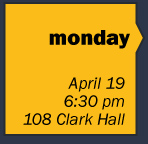
Co-sponsored by the Organization of Young Filipino Americans
with guest speaker Christ Quilpa and a representative from the Philippine Embassy
Directors Ditsi Carolino and Nana Buxani bring to focus a devastating waste of human potential told through the stories of three boys placed in a Filipino prison after committing petty crimes. Living alongside adult criminals and given no education or other forms of rehabilitation, the young prisoners often turn to various degrees of self-mutilation to escape the tedium of prison life. These habits are exacerbated by the equally suffocating homes they return to after jail, making this movie a striking call to action to bring economic justice and education to these children.
>>Watch a clip
|
|
|
|
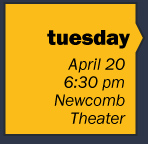
Co-sponsored by the Middle Eastern Leadership Council and Students for Peace and Justice in Palestine
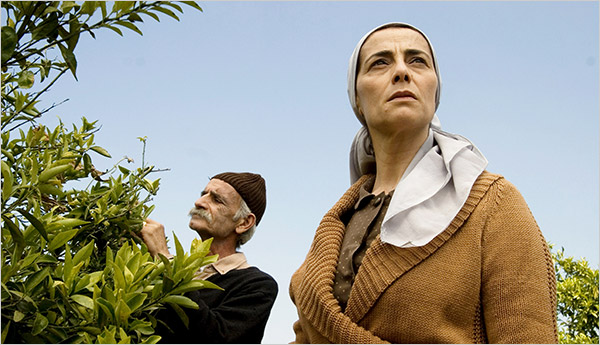
Set at the border between Israel and the West Bank, The Lemon Tree follows the struggle of Salma, a Palestinian widow, as she tries to protect her lemon grove from being cut down after the Israeli Defense Minister moves next door. During her her legal struggle that takes her all the way to the Israeli Supreme Court, Salma forms a forbidden friendship with the Defense Minister's wife. Salma's political and personal journeys guide the film through the continuing struggle in the Middle East.
>>Watch the Trailer
|
|
|
|
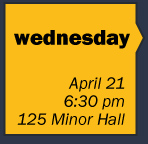
with guest speaker Anthropology PhD candidate Mike Como
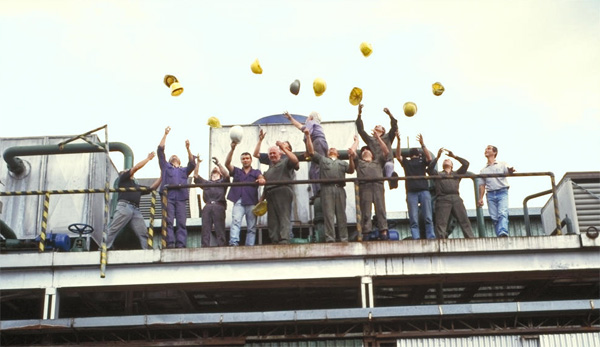
The Take follows an attempt by 30 unemployed Argentinian factory workers to reclaim their livelihood after the auto company they work for falls into bankruptcy. Fighting former owners and their political cronies, who would prefer to sell the factory for parts, the workers create a cooperative entity that has served as an inspiration for democratic working conditions in Argentina and abroad.
>>Watch the Trailer
|
|
|
|
Co-sponsored by There's Hope in North Korea
with guest speaker Professor Ronald Dimberg
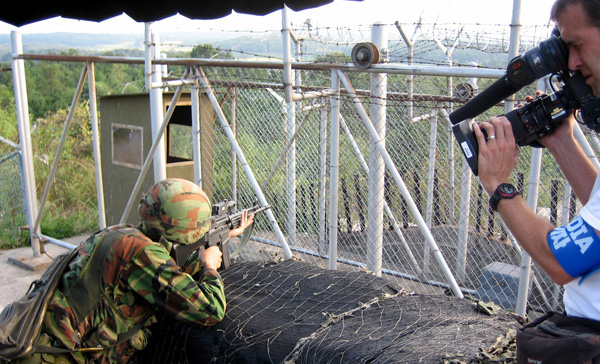
National Geographic reporter Lisa Ling manages to penetrate one of history's most isolated nations in this peek into the real life of North Korea. Disguised as a medical aid worker Ling manages to collect footage of North Korea with less interference from the government than ever before. The film emphasizes the struggle of humanitarian workers to operate within the dictatorship against the backdrop of a country that few outsiders are allowed to see.
|